
Reflections That Guided Me

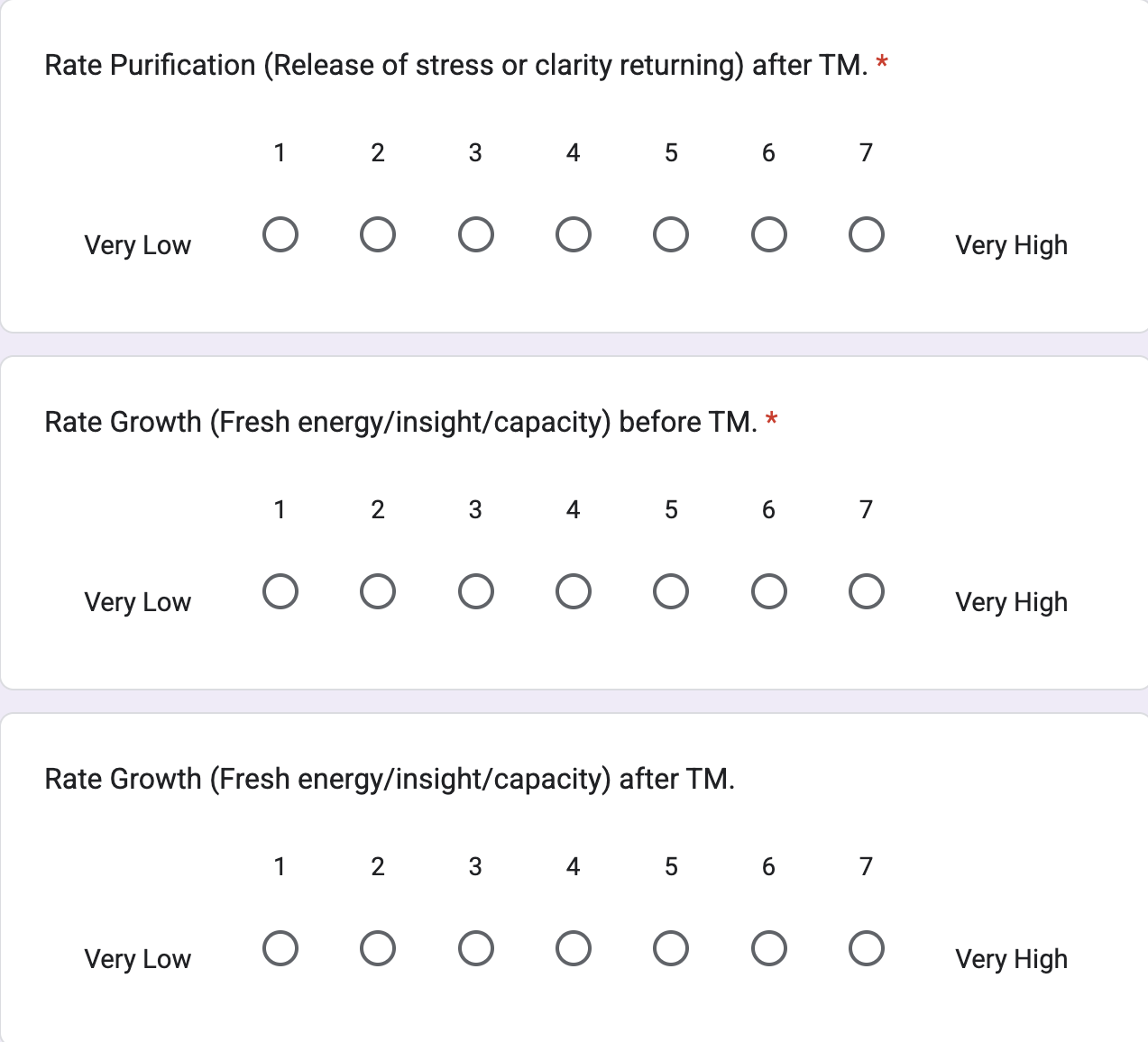
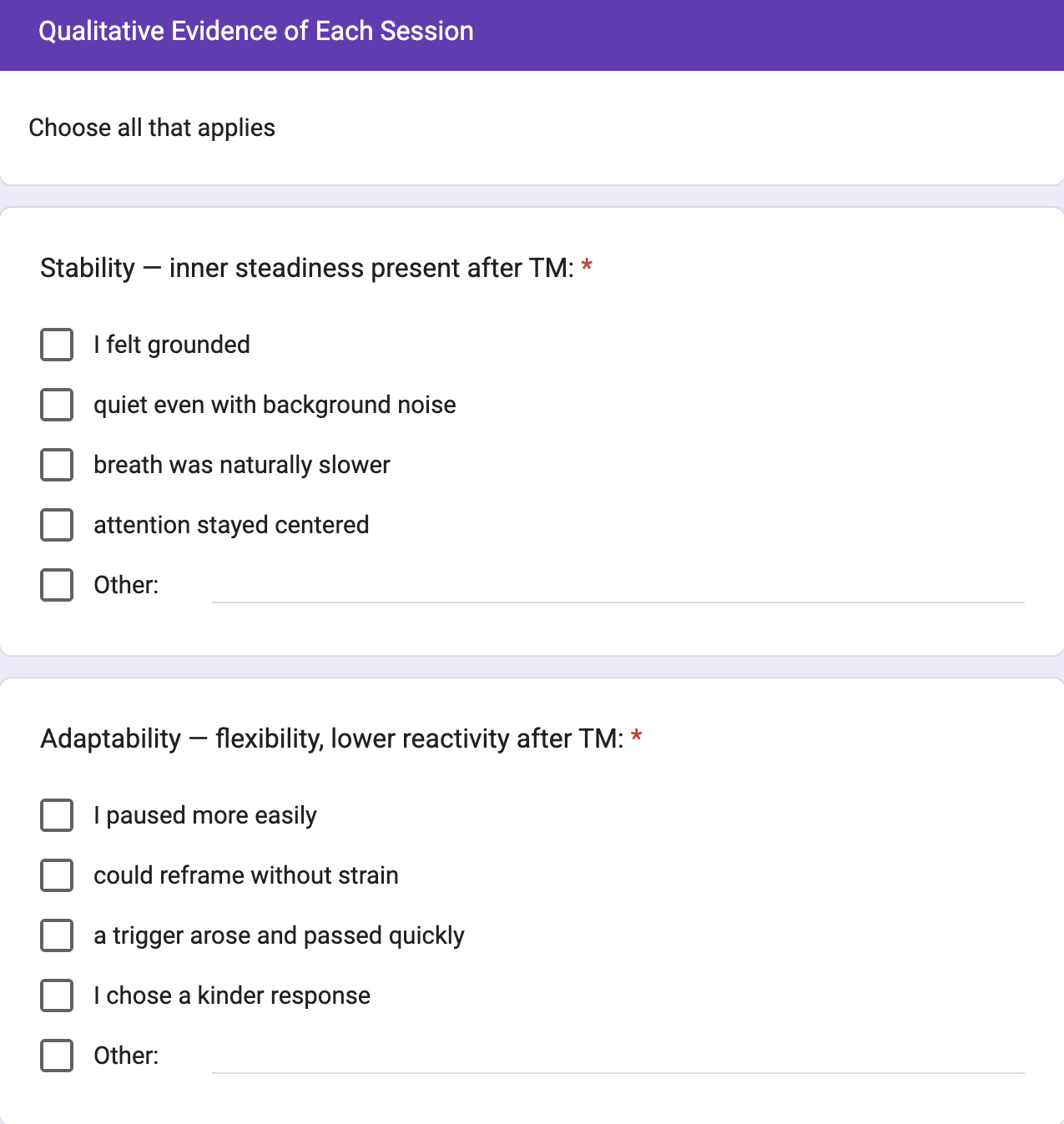
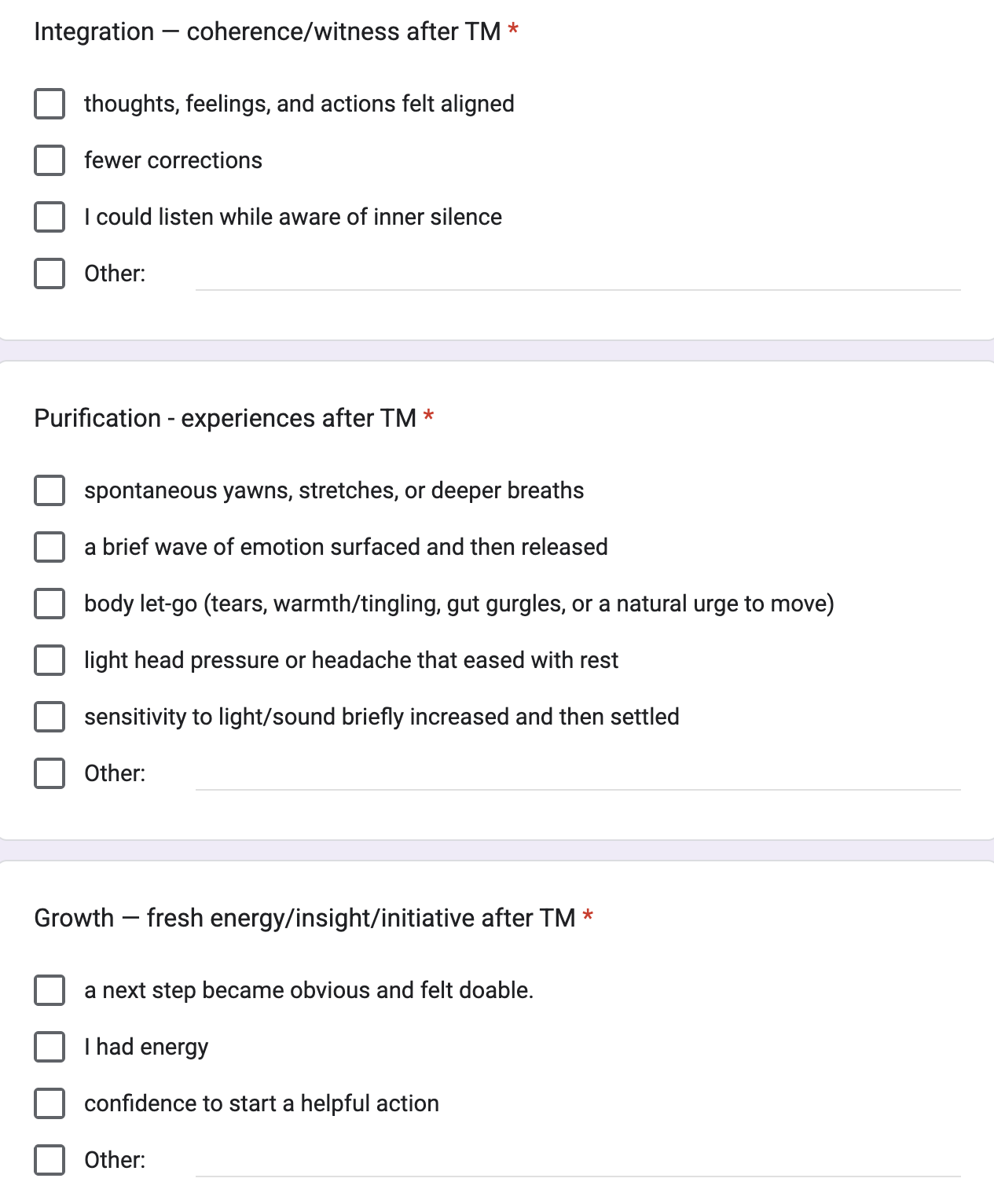
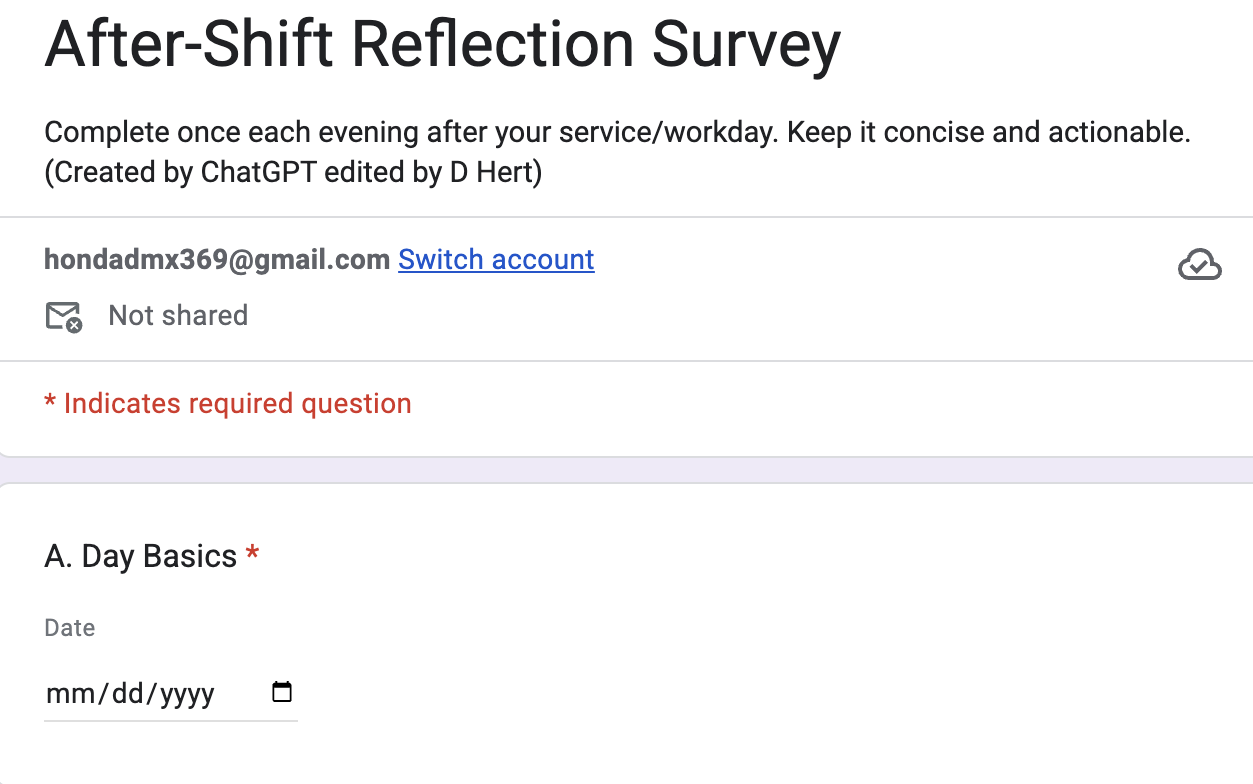
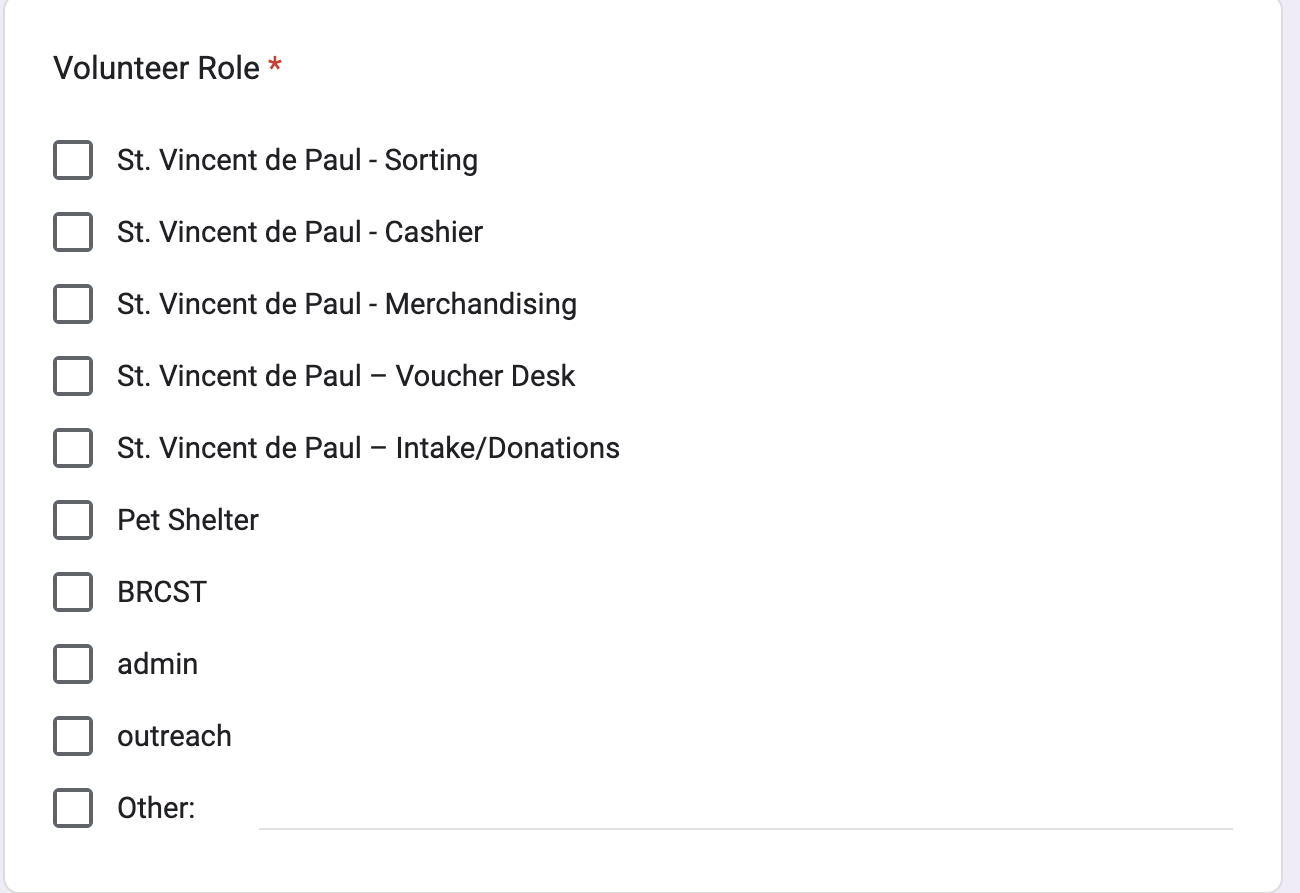
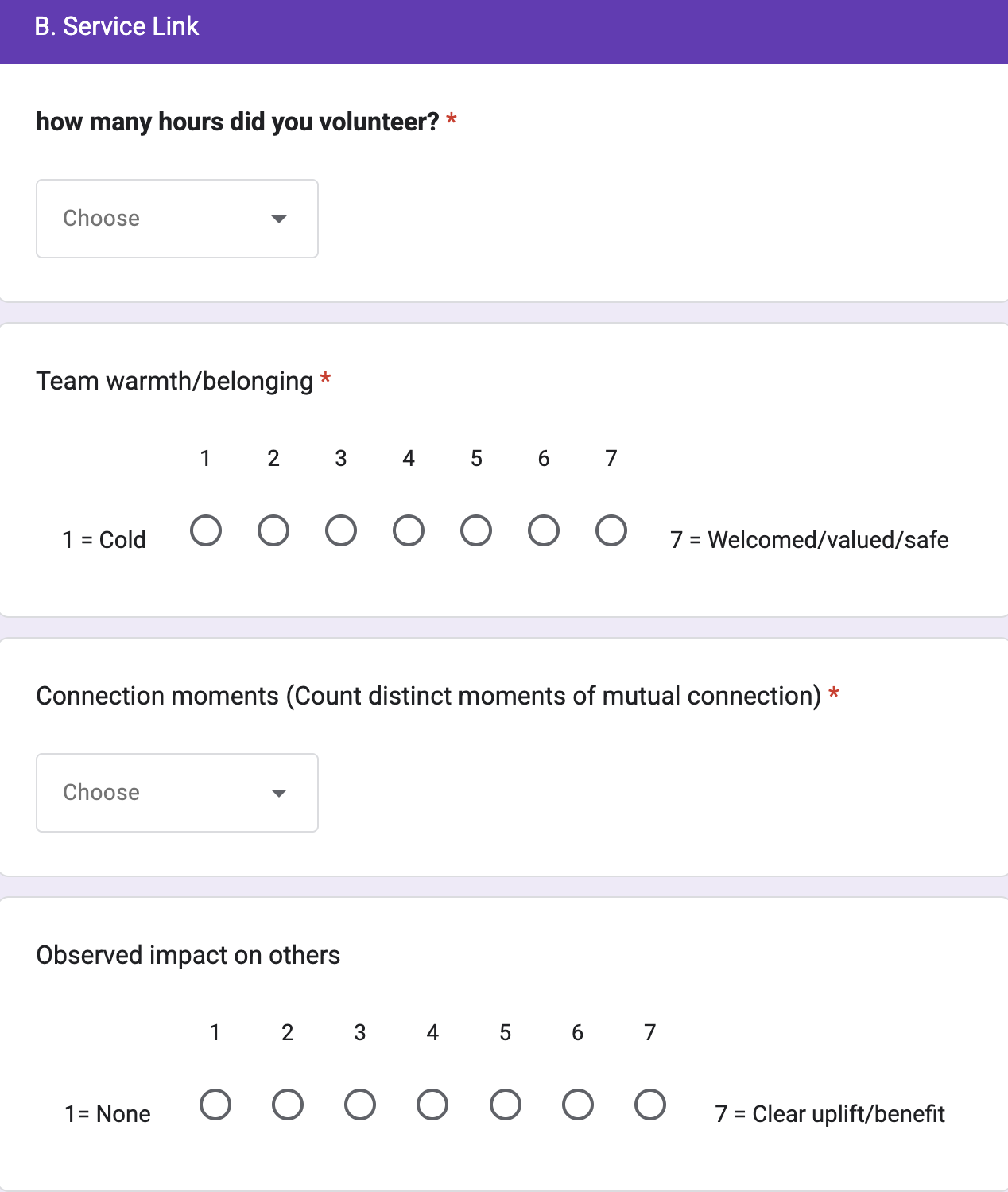
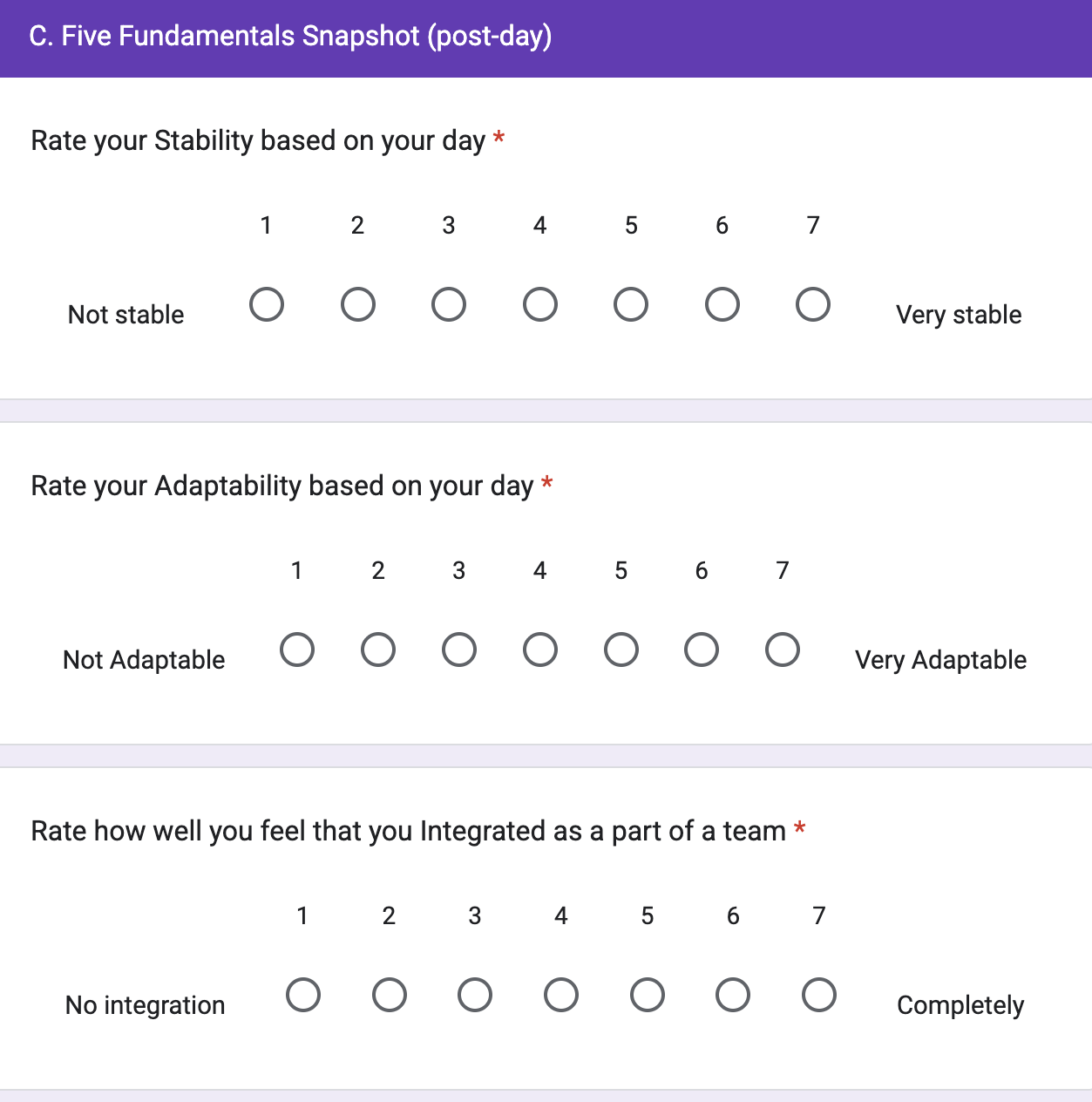
Recently, I became involved in a project where I tested what happens when I really take care of my inner world while I am out serving in the outer one. I combined regular Transcendental Meditation with volunteering in Baton Rouge and used my reflections to stay grounded. After I volunteered at various sites such as St. Vincent de Paul (Dining Area and Thrift Store), Habitat for Humanity, and Volunteers of America, I checked in through Stability, Adaptability, Integration, Purification, and Growth (Also known as Maharishi’s Five Fundamentals of Progress). I wrote about how I actually felt, what stood out to me, and where I was struggling. Over time, those little check-ins helped me see patterns, make minor adjustments, and notice the meaningful moments I might have brushed off before. As a person who does not practice journaling, my reflections ended up being more than just a project. They became an honest conversation with myself about how I am growing on the inside while trying to make a difference on the outside. Check out how I designed my very first reflection tool using machine learning. Feel free to use it at your discretion! I will also share some of my most notable reflections down below!
TM Reflections
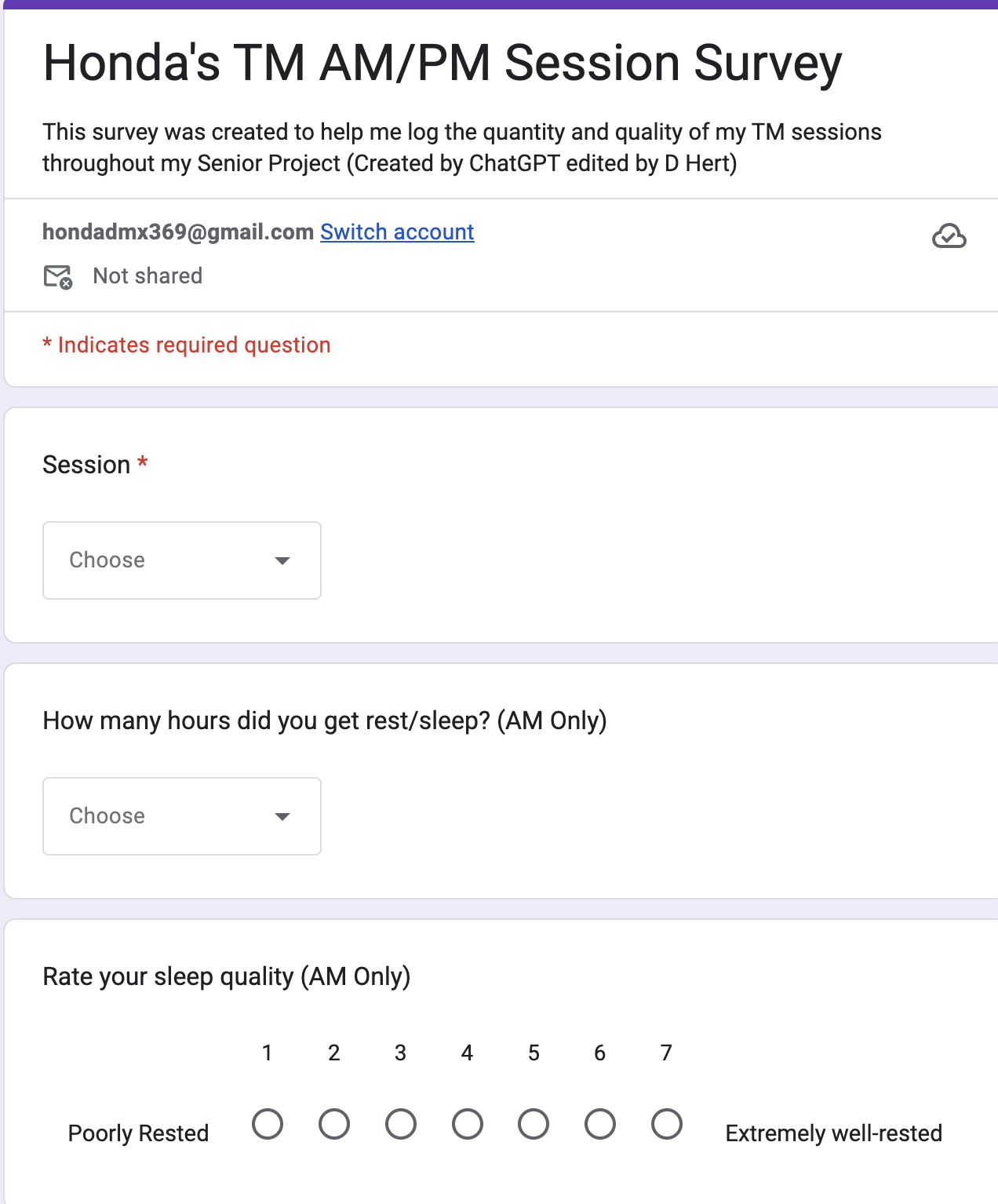
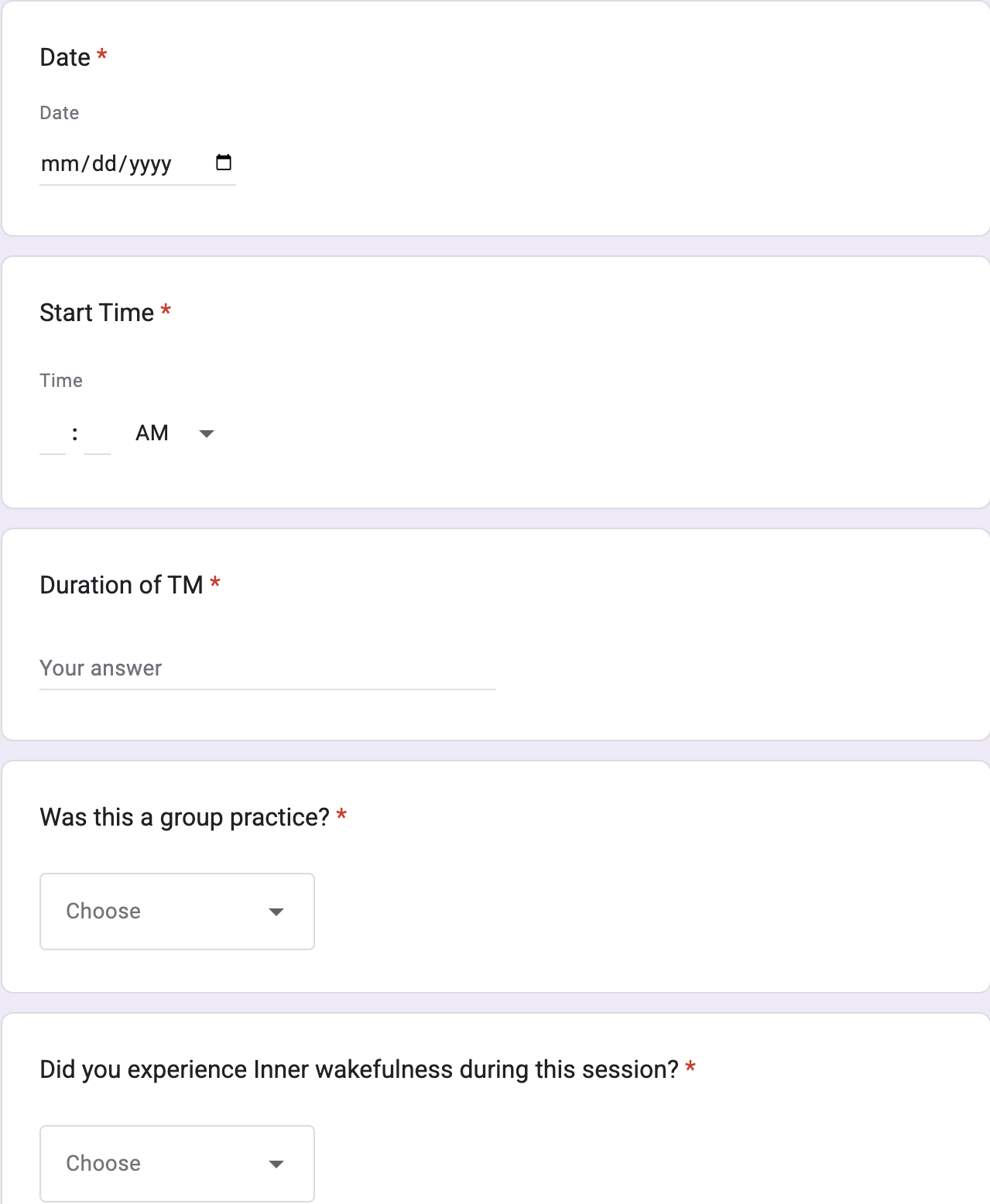
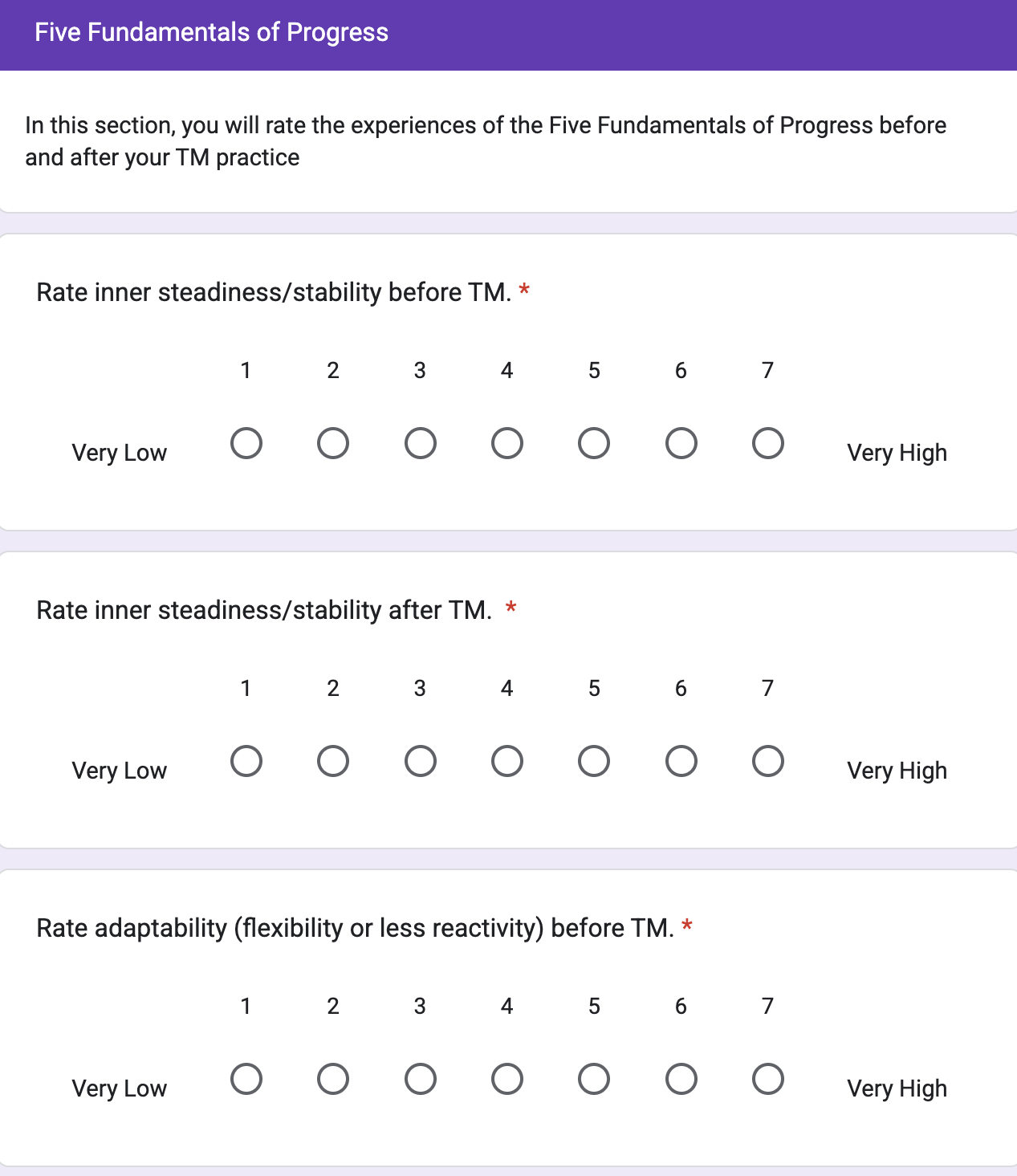
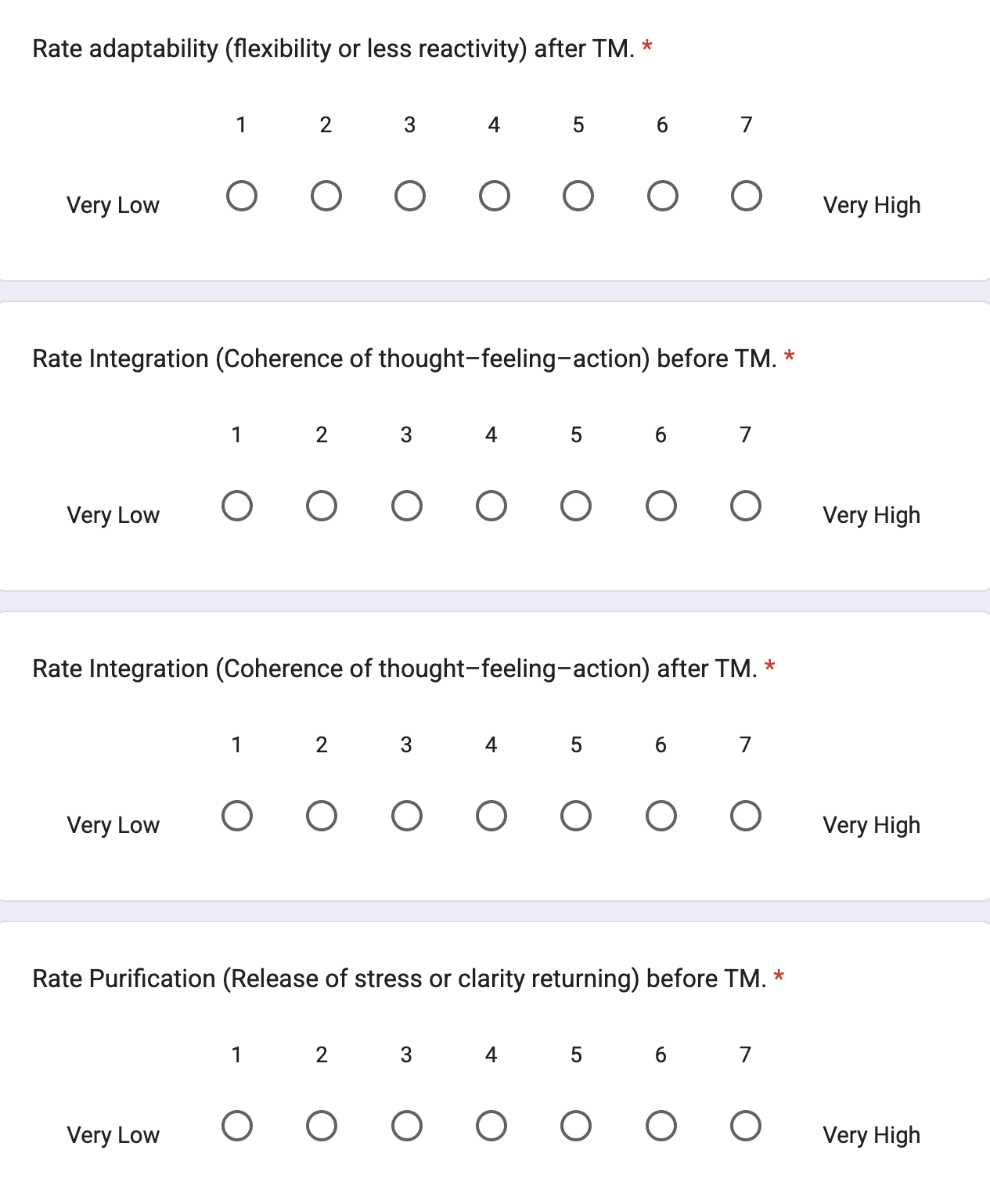
What I Learned From My TM Reflections
My twice-daily TM reflections showed me what it feels like when my nervous system finally gets a break. After most morning and evening meditations, I noticed simple things: my breath was softer, my shoulders dropped, and my mind was less busy. On days I skipped or rushed TM, I could feel the difference right away because I felt somewhat thrown off, I was more on edge, more scattered, and quicker to react.
Writing about each session helped me see that TM was quietly training me to pause. I started catching myself before I snapped, took things personally, or spiraled into old habits. There was more space between what happened and how I responded. Little by little, I realized TM was not just “twenty minutes in a chair.” It was the foundation for how I wanted to move through the day—with more calm, more clarity, and more kindness toward myself and others.
After-Shift Reflections
What I Learned from My After-Shift Reflections
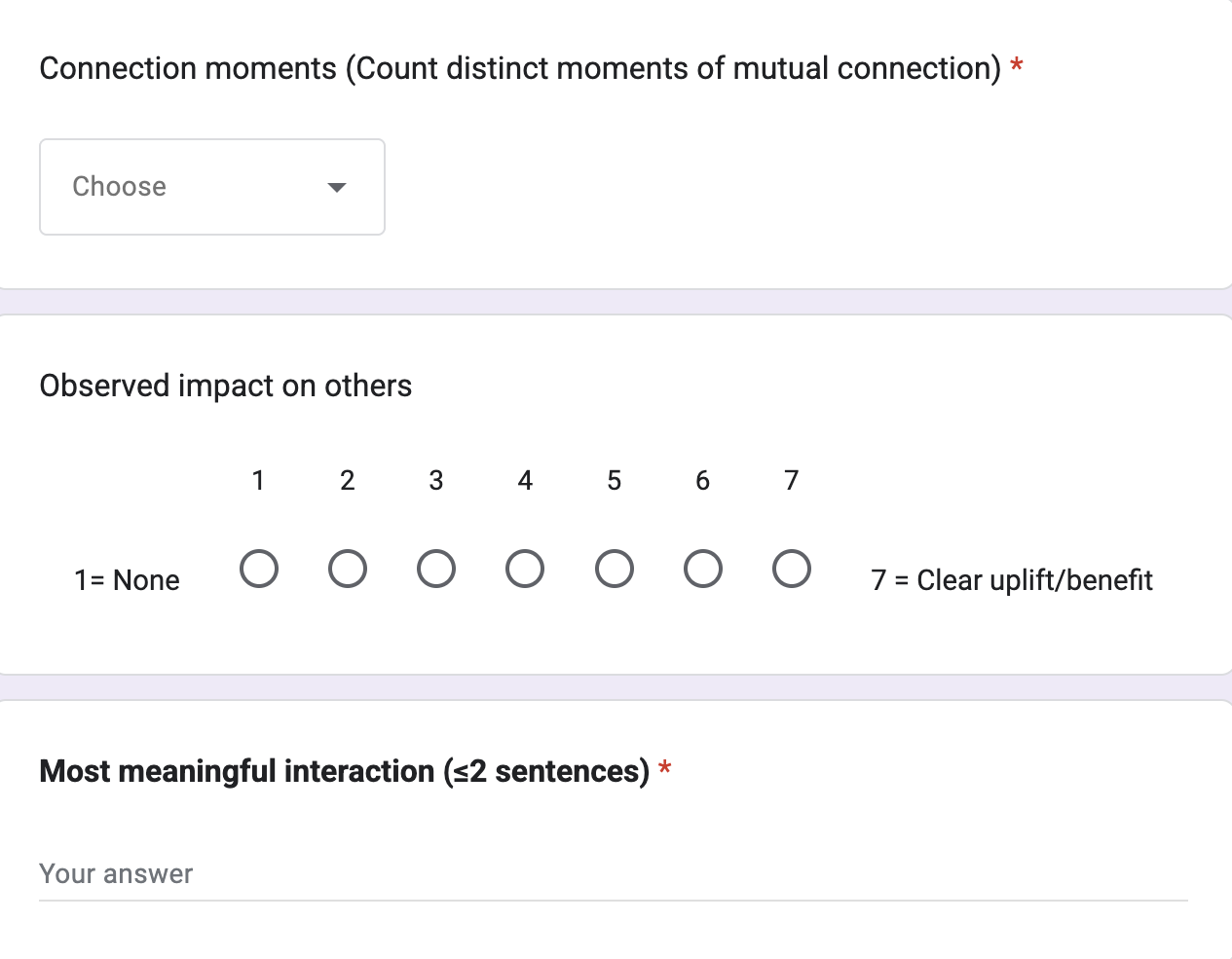
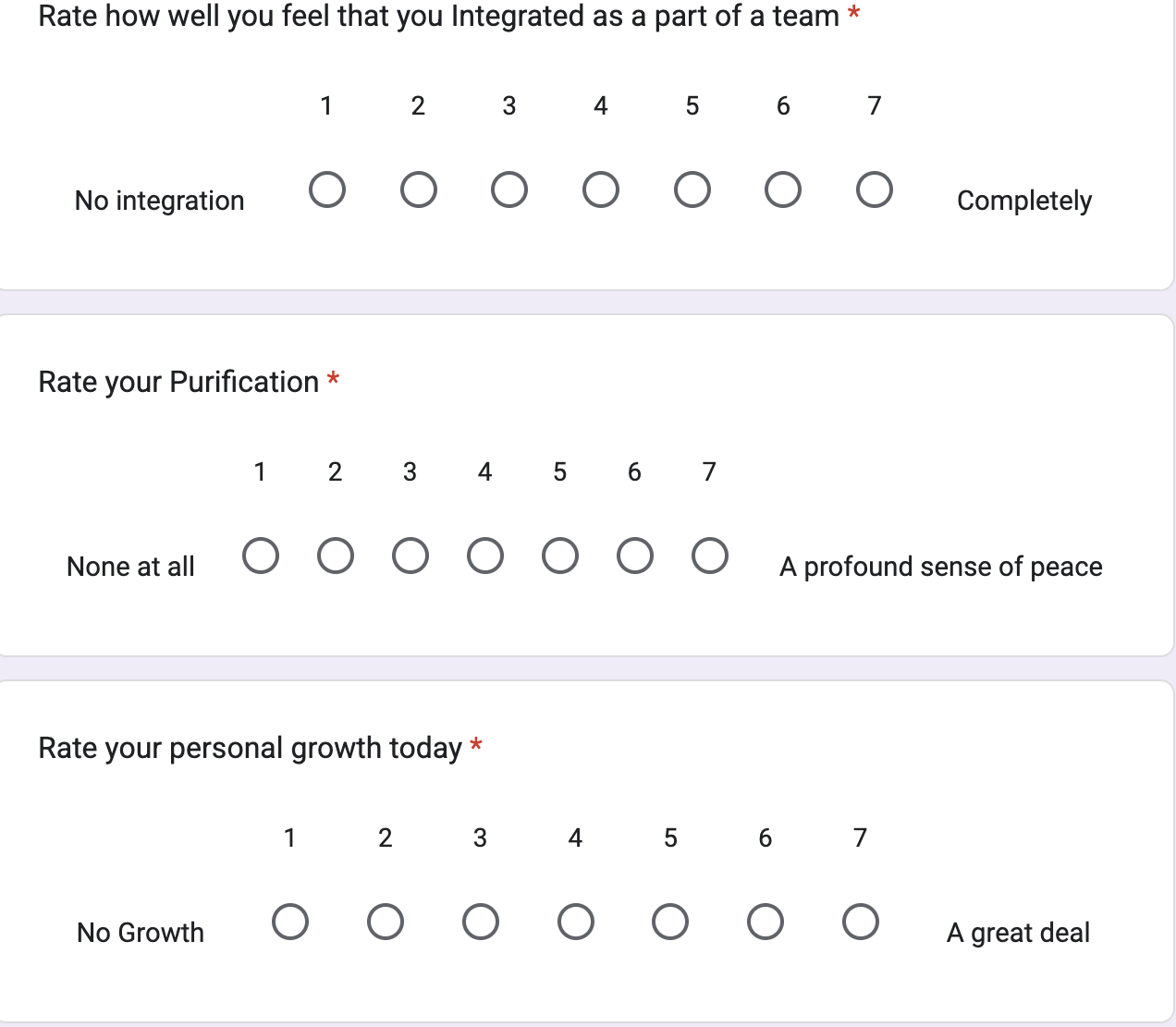
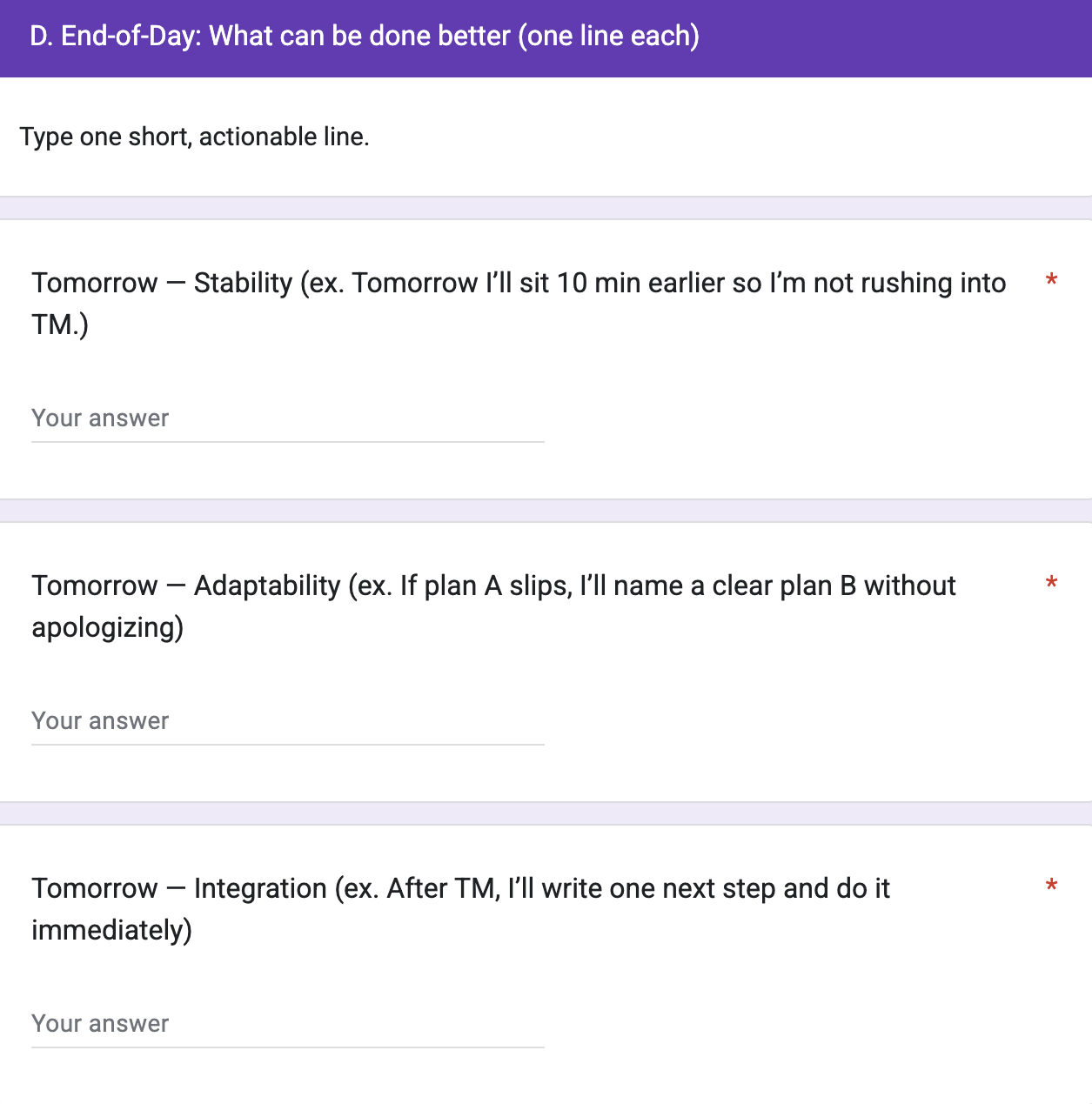
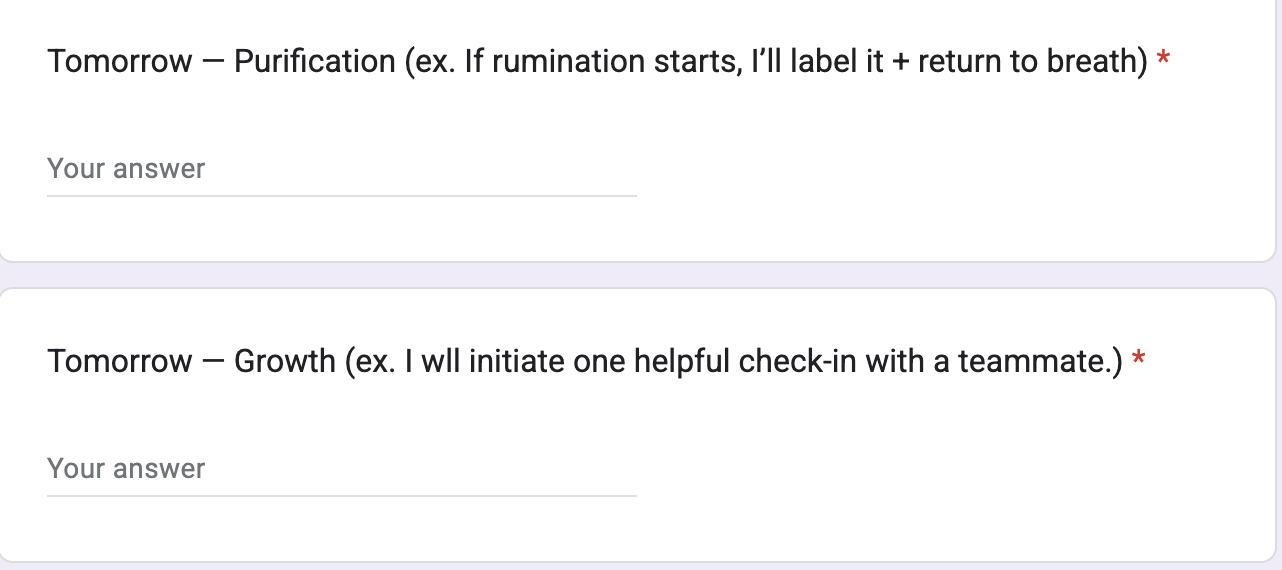
My after-shift reflections were like a replay of the day, but through my heart. Instead of just saying, “I volunteered,” I wrote about real moments: someone’s smile in the food line, a quick joke with staff, a small thank you that stayed with me, or a time I felt awkward and then slowly more at home. Those details reminded me that service is made of tiny moments, not just tasks.
Using Stability, Adaptability, Integration, Purification, and Growth gave me a simple way to check how I was showing up. On some days, I felt steady, connected, and open to the team. On days that were challenging, I could reflect and see that my stress, frustration, or exhaustion came alive on paper. That honesty helped me know what was lifting me and what was draining me. Over time, the “tomorrow” were small actions I could try next time really began to add up for me. They showed me I was not just helping others; I was learning how to be a more grounded, respectful, and present version of myself in every setting and interaction.
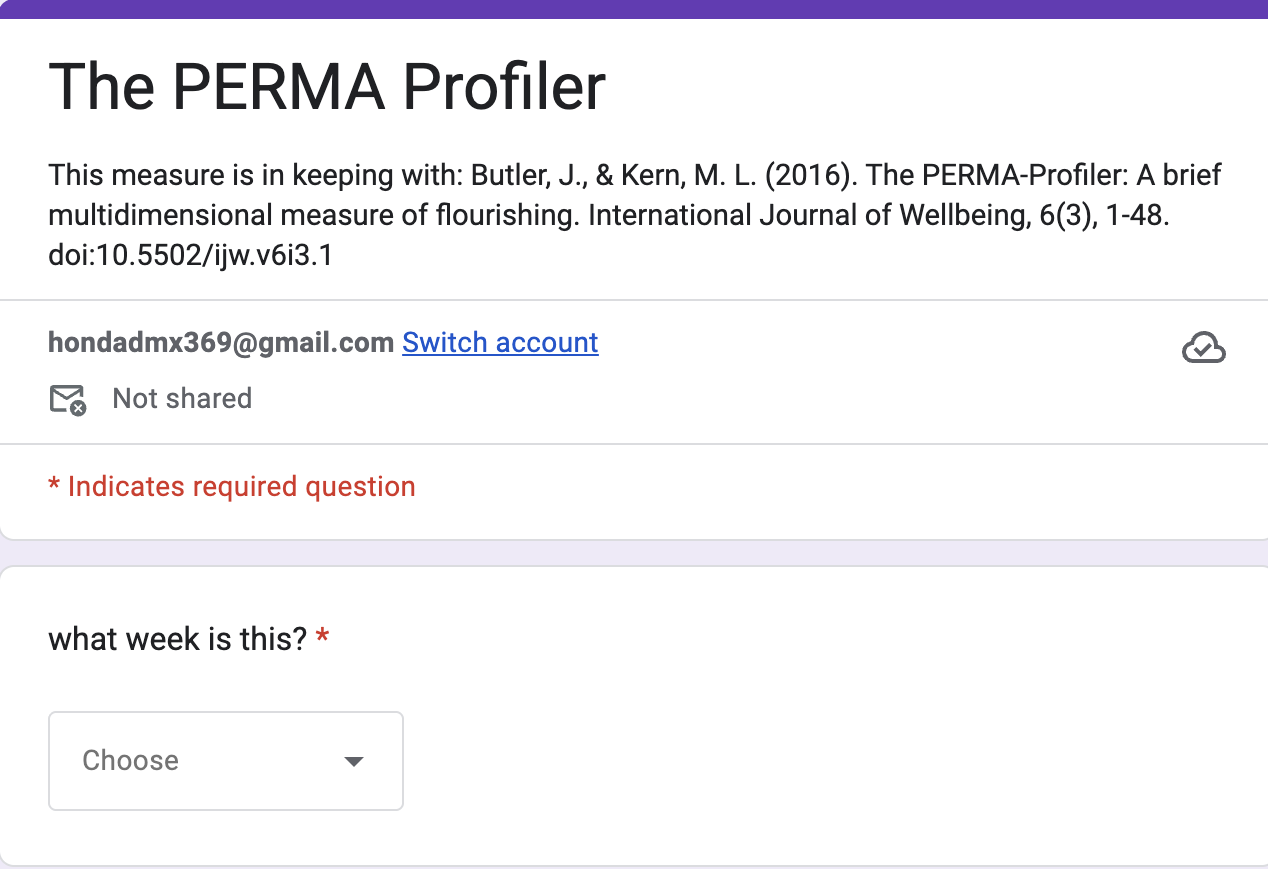
I also incorporated the PERMA Profiler
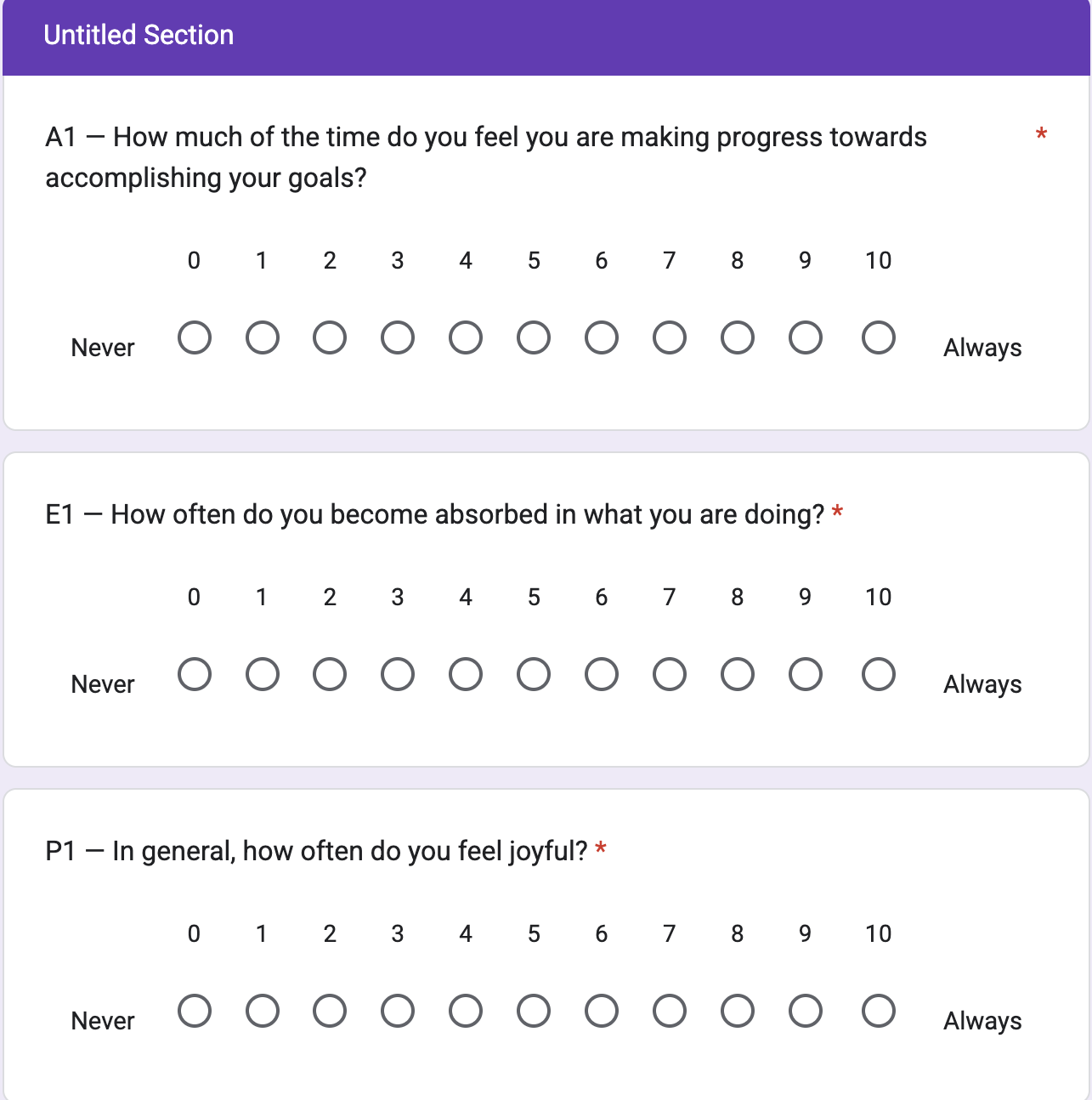
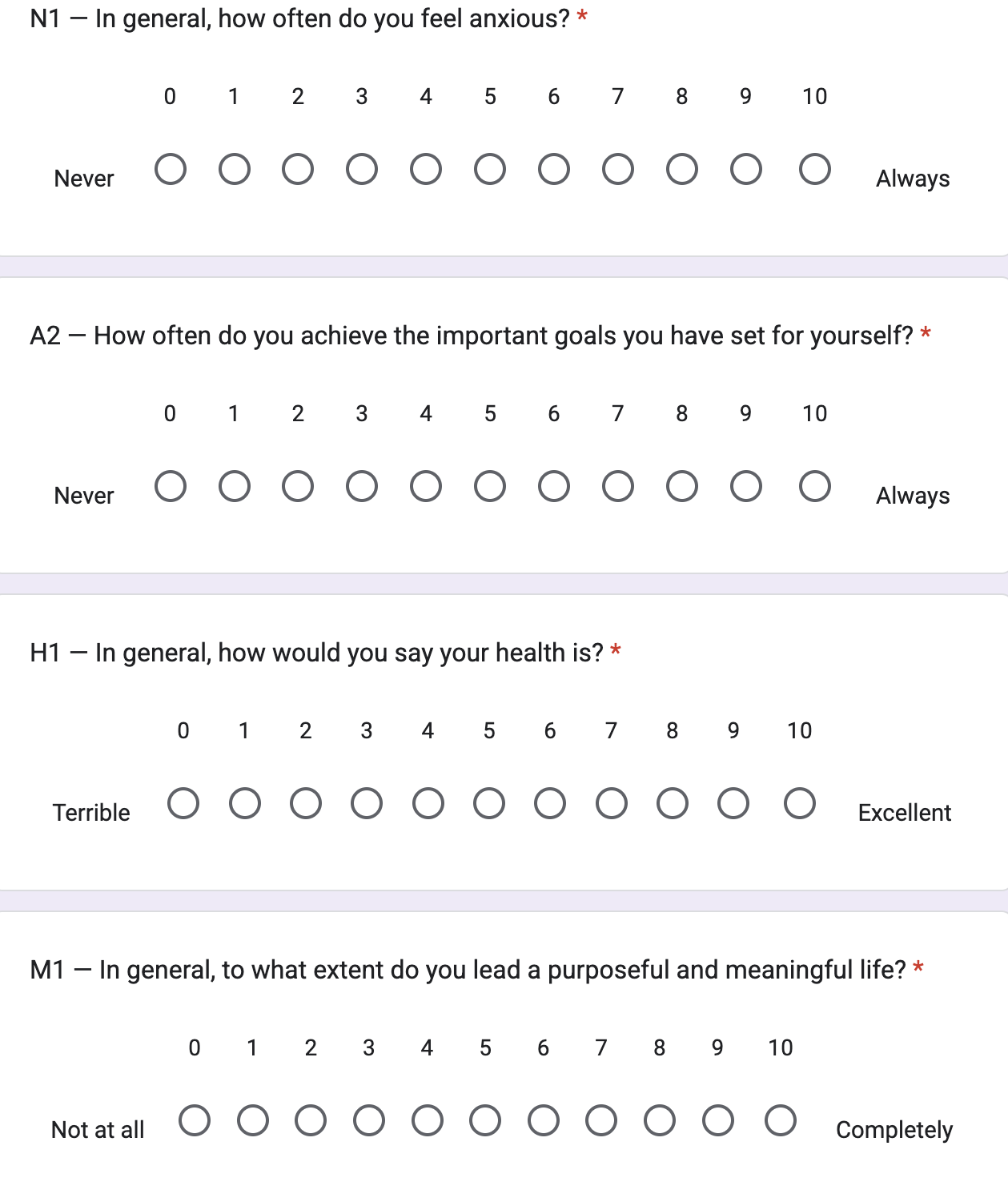
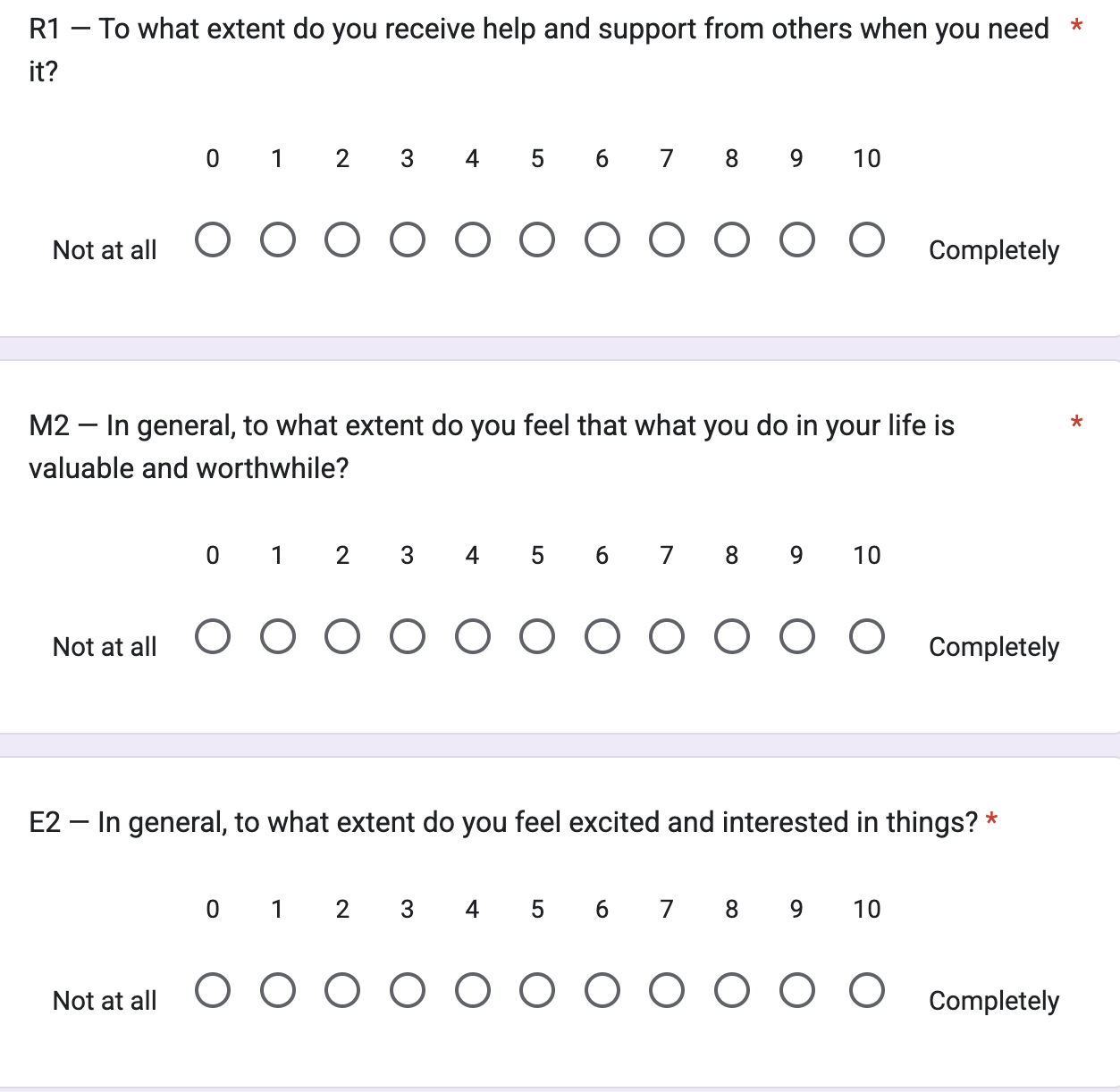
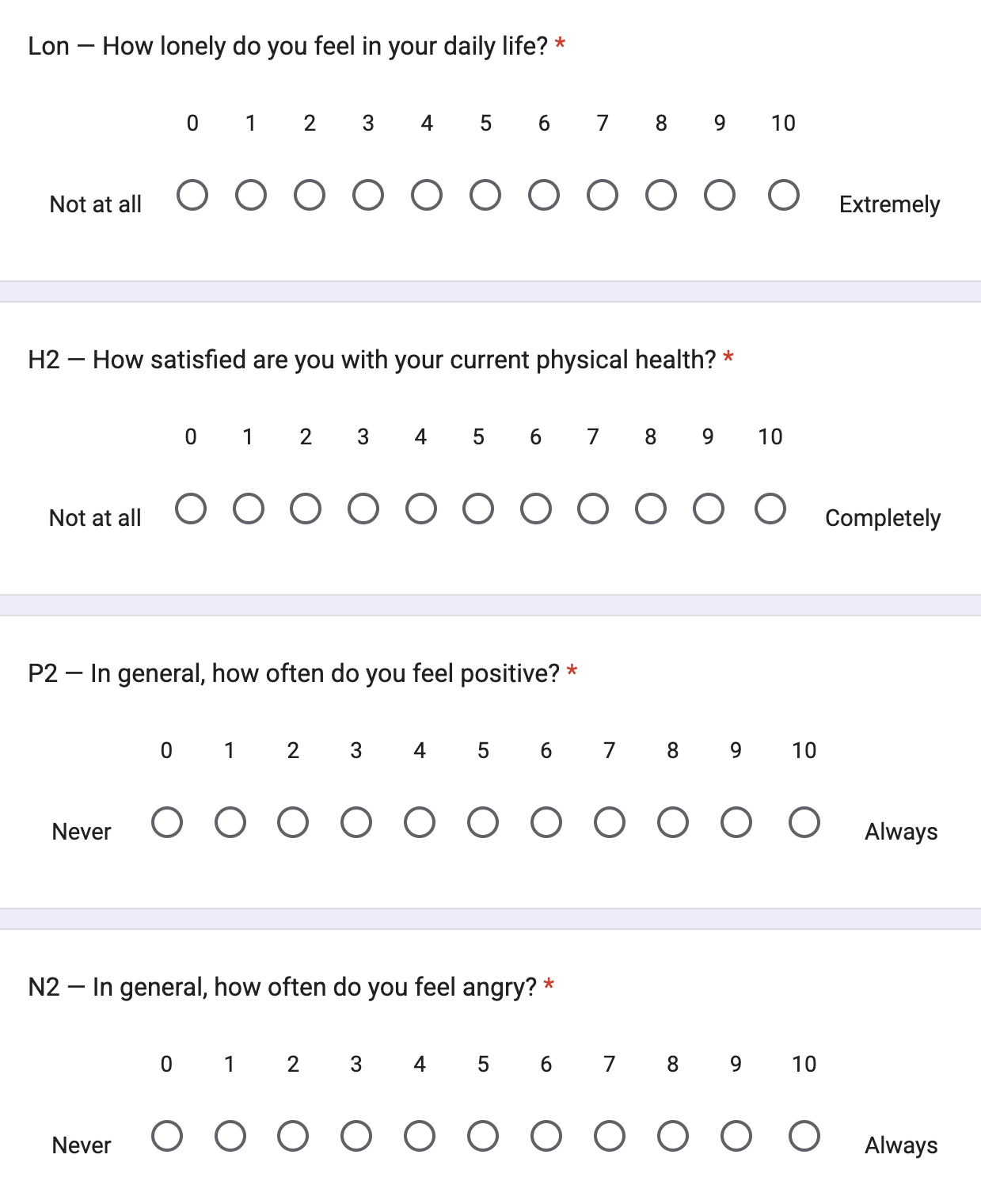
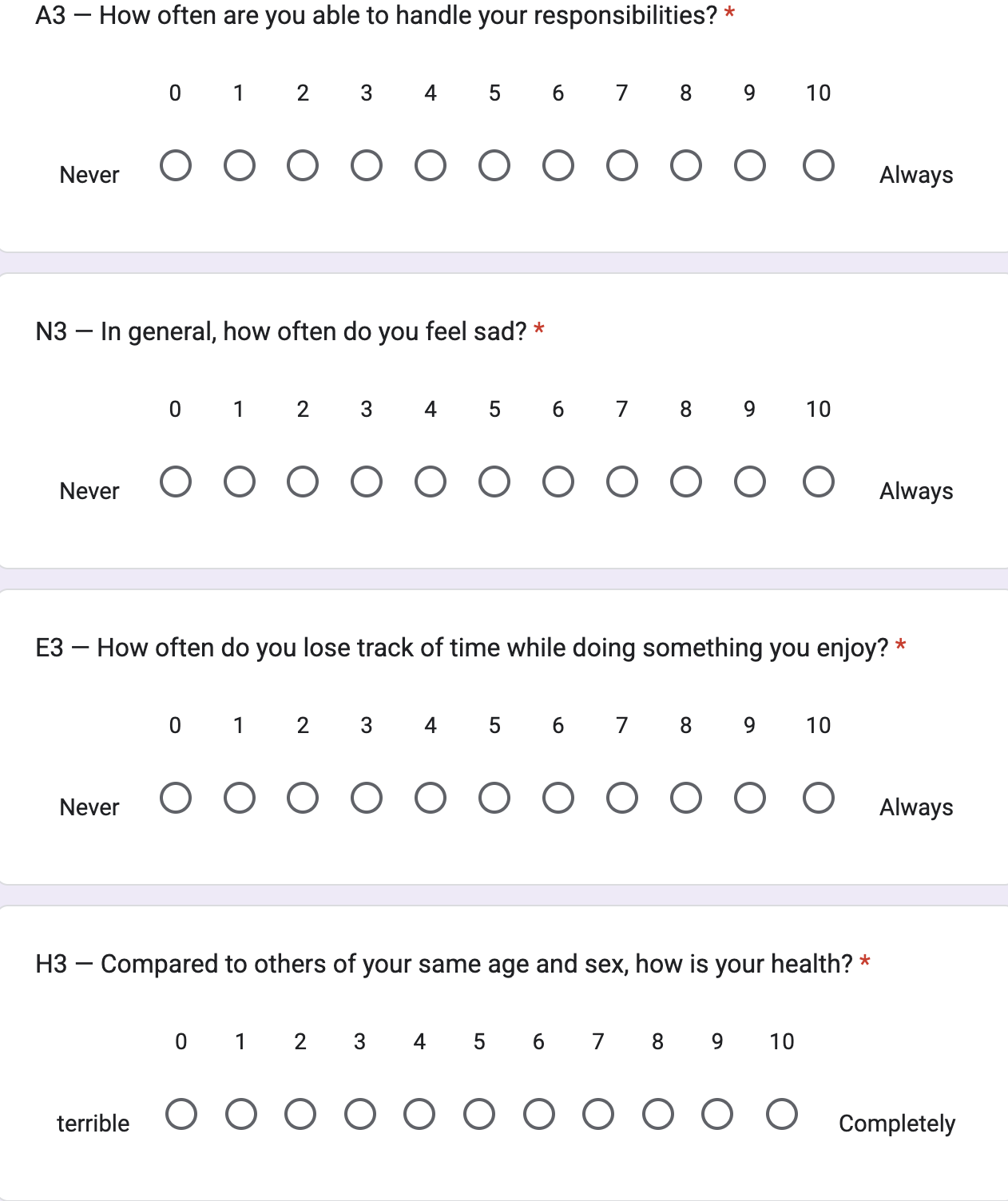
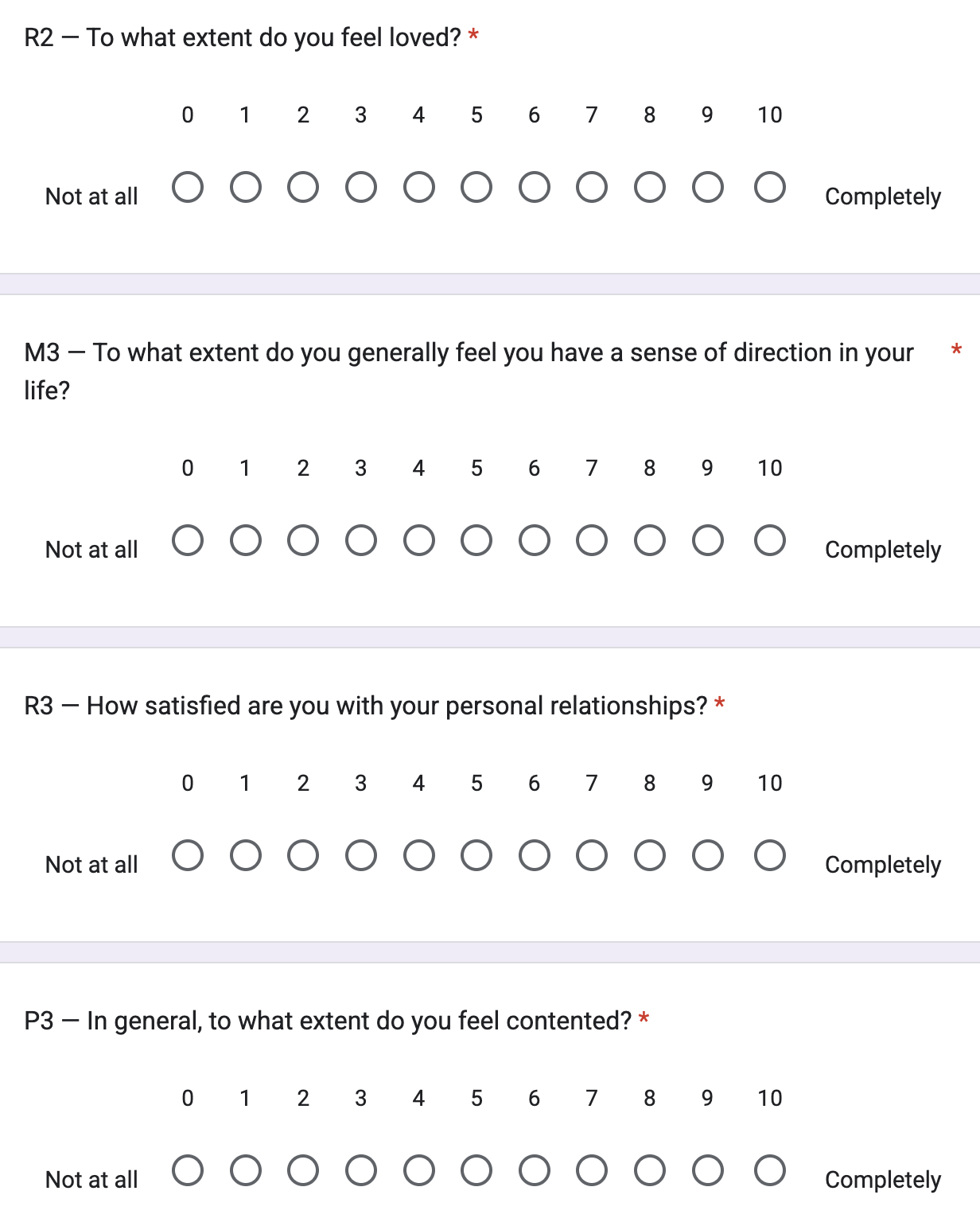
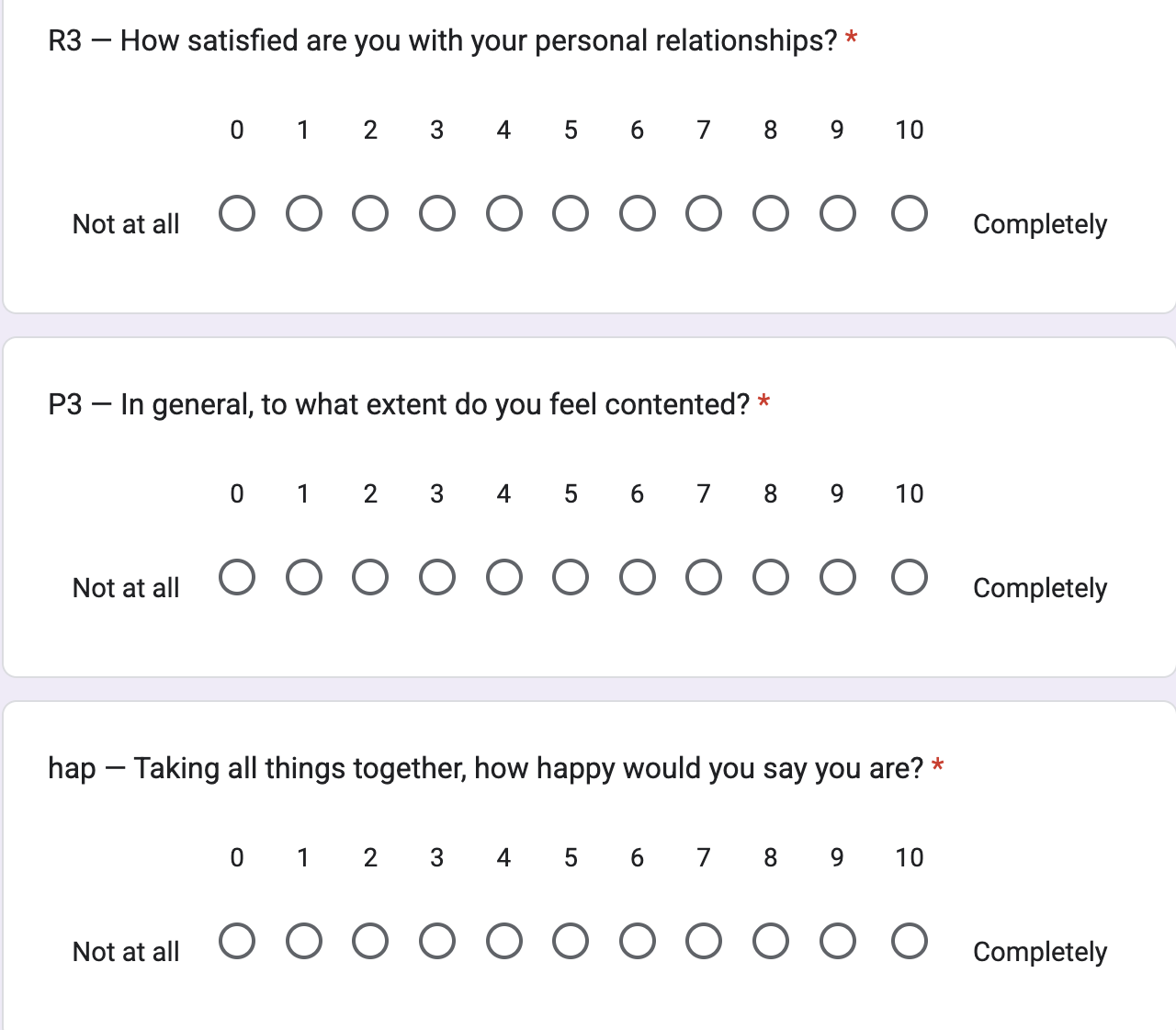
What I Learned from My PERMA Reflections
The PERMA reflections gave me a different kind of snapshot of my overall well-being. Instead of just going by mood, I could actually see patterns of PERMA (Positive emotion, Engagement, Relationships, Meaning, and Accomplishment) across the weeks. When I was more consistent with TM, resting well, and keeping my commitments to volunteer, my scores tended to rise. I felt more alive, more connected, and more on purpose. Relationships and Meaning showed up as steady strengths for me, even when life felt heavy. Engagement and Accomplishment moved around more. They dipped when I was stretched thin or dealing with practical challenges like transportation, and they climbed when I followed through on small goals and stayed present. Instead of seeing lower numbers around the sixth week as a failure, I started treating my reflections as messages: something in my inner or outer life needed attention. The PERMA scores helped me see that my growth was not random. When I support my inner life and make choices that match my values, my overall well-being responds. The numbers were just the surface; the real lesson was learning to listen to them with compassion and use them to guide my next steps.